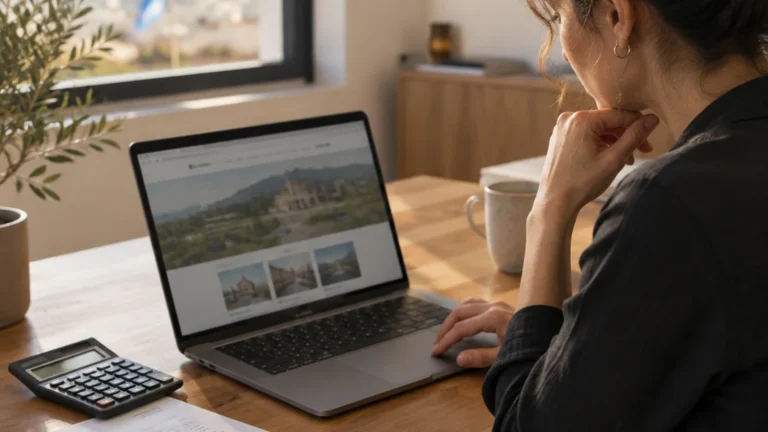
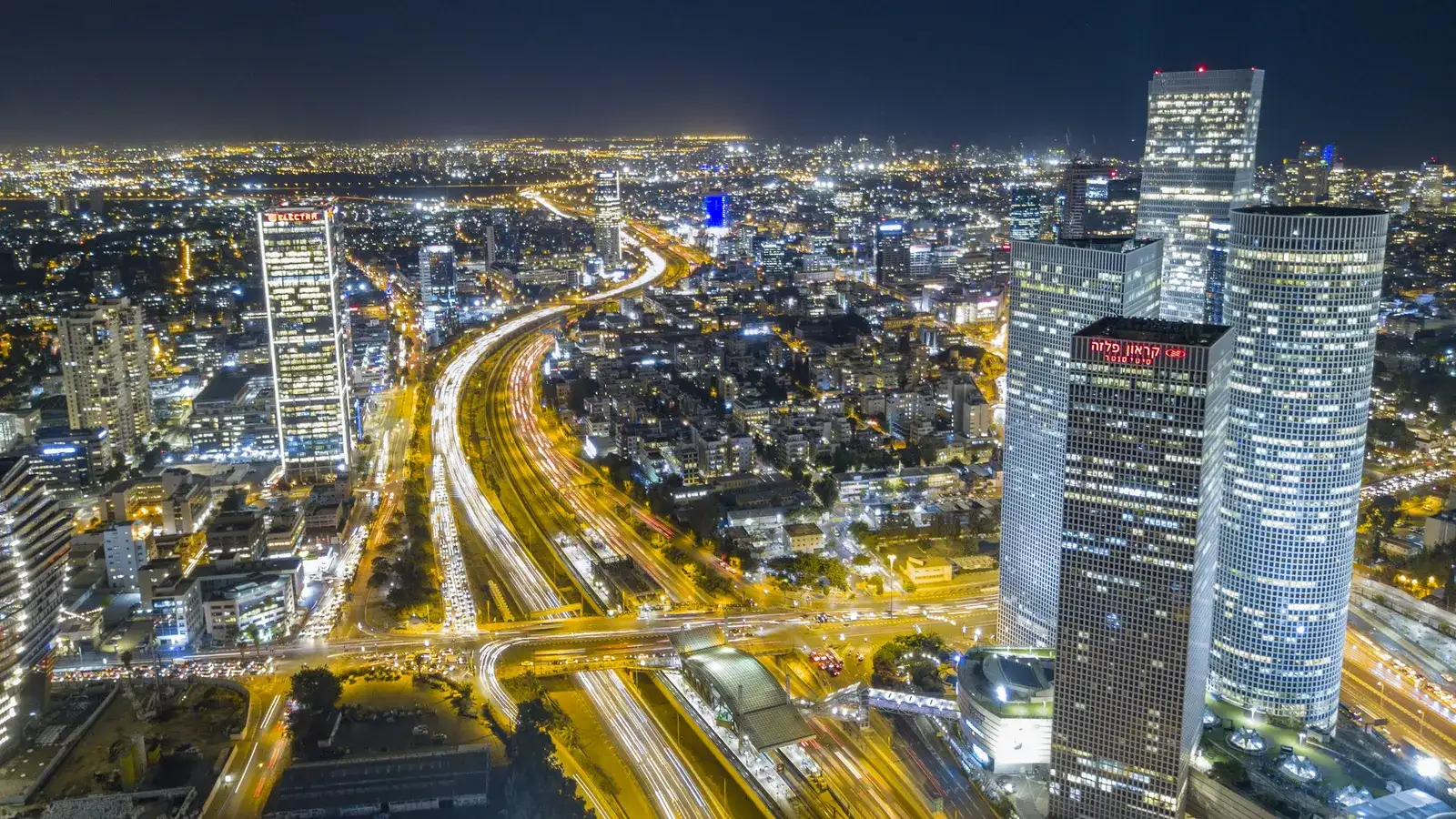
Choosing a web design agency in Israel comes down to four things: a portfolio of live websites you can actually visit, real experience with both Hebrew and English, a clear fixed-price proposal, and a team that communicates fluently in your language. In 2026, a professional business website typically costs between ₪6,000 and ₪20,000, roughly $1,600 to $5,500, before VAT, while an online store usually starts around ₪15,000 and can climb well beyond that. Those ranges are wide because the work behind them varies enormously, from a lightly customised theme to a fully bespoke, multilingual site built to generate leads. This guide explains what drives the price, what to ask before you sign, and how to recognise an agency that will build something that genuinely works for your business.
Why building a website in Israel is a little different
Israel has one of the densest technology ecosystems in the world, so finding someone who can build a website is easy. Finding someone who understands your specific situation is harder. Most Israeli businesses need at least two languages: Hebrew for local customers and English for investors, tourists, olim, overseas partners or international clients. Hebrew reads from right to left, which means the entire layout has to be mirrored, not simply filled with translated text. Menus, arrows, forms, sliders and even the position of the logo all change, and an agency without real experience in right-to-left design will leave small inconsistencies that Israeli visitors notice immediately.
Local buying habits matter just as much. Israeli shoppers expect to pay in installments, use local card processors and increasingly pay with Bit, while international visitors expect prices in dollars or euros, clear shipping information and familiar payment methods. Customer expectations around contact differ too: many Israelis prefer to message a business on WhatsApp rather than fill in a form. A good agency in Israel understands both worlds and designs a coherent experience for each audience instead of forcing one model onto everyone.
Finally, communication is often the hidden cost of a website project. If English or French is your first language, briefing a designer in Hebrew, or the reverse, is where misunderstandings start. Look for a team that writes the brief back to you in your own language, documents decisions and keeps you informed at each stage. It saves weeks of back-and-forth and produces a site that actually reflects what you had in mind.
What drives the price of a website in Israel
Two quotes for “a five-page website” can differ by a factor of five, and both can be perfectly honest. The cheaper one usually adapts an existing theme with your logo, colours and text. The more expensive one includes a discovery phase, custom design, copywriting, multilingual setup and proper SEO foundations. What genuinely moves the price is not the number of pages but the number of different page templates to design, the features you need, such as online booking, payments, a client area or CRM integration, and the number of languages, each of which requires its own content and testing.
A business or brand website, the most common project, generally falls between ₪6,000 and ₪20,000. A focused landing page for an advertising campaign costs less, often ₪3,000 to ₪9,000, while an online store on Shopify or WooCommerce starts around ₪15,000 and rises with the number of products, integrations and markets. Adding a second language typically increases the budget by 30 to 50 percent. You can see how we structure each type of project on our pages for business websites, online stores and landing pages.
Remember that professional quotes in Israel are normally given before VAT, which stands at 18 percent for most businesses according to the Israel Tax Authority. Hosting, domain registration, premium plugins and ongoing maintenance are sometimes billed separately, so always ask for a clear list of what is included and what will cost extra after launch.
Quick checkA serious proposal lists the pages and templates, the features, the number of design revisions, who writes the content, the SEO work included, the timeline and what happens after launch. If the whole project fits on one line, ask for details before you sign.
Questions to ask before you sign
Start with the portfolio, and insist on live websites rather than mockups or screenshots. Open them on your phone, because that is where most of your visitors will see your site. Check how quickly they load, how readable the text is, how easy it is to find contact details and, if the agency claims bilingual expertise, how the Hebrew version behaves. A strong portfolio shows consistency across different industries rather than one impressive project surrounded by average ones.
Next, ask who writes the content and in which languages. Machine-translated Hebrew is immediately noticeable to Israeli visitors and quietly destroys trust, while English written by a non-native speaker can undermine credibility with international clients. Then ask what SEO work is included. At a minimum you should receive optimised titles and descriptions for every page, clean URLs, a sitemap submitted to Google, fast loading times measured against Google’s Core Web Vitals, accessible design and correct language tags for each version of the site.
Finally, clarify ownership and independence. The domain, hosting account and all website files should be registered in your name, not the agency’s. You should receive training so you can update text and images yourself, and you should know exactly what support is included after launch, whether that is a warranty period, a monthly maintenance plan or hourly support. These details rarely appear in sales conversations, but they determine whether your website remains an asset or becomes a dependency.
What a good bilingual website looks like
A well-built Hebrew and English website is not two separate websites. It is one structure in which each language lives on its own address, such as /en/ and /he/, with a language switcher in the header that leads to the equivalent page rather than back to the homepage. Each version is written natively for its audience, uses fonts designed for its script and follows the reading direction of its language. Google then shows the right version to the right person thanks to hreflang tags, as explained in its guidelines for multilingual and multi-regional sites.
Getting this structure right from the start is far cheaper than retrofitting it later, and it opens doors that a single-language site cannot. A Hebrew page can rank for searches an English page will never appear in, while an English version makes you credible with investors and overseas clients. We cover the technical and editorial details step by step in our guide to building a bilingual Hebrew–English website.
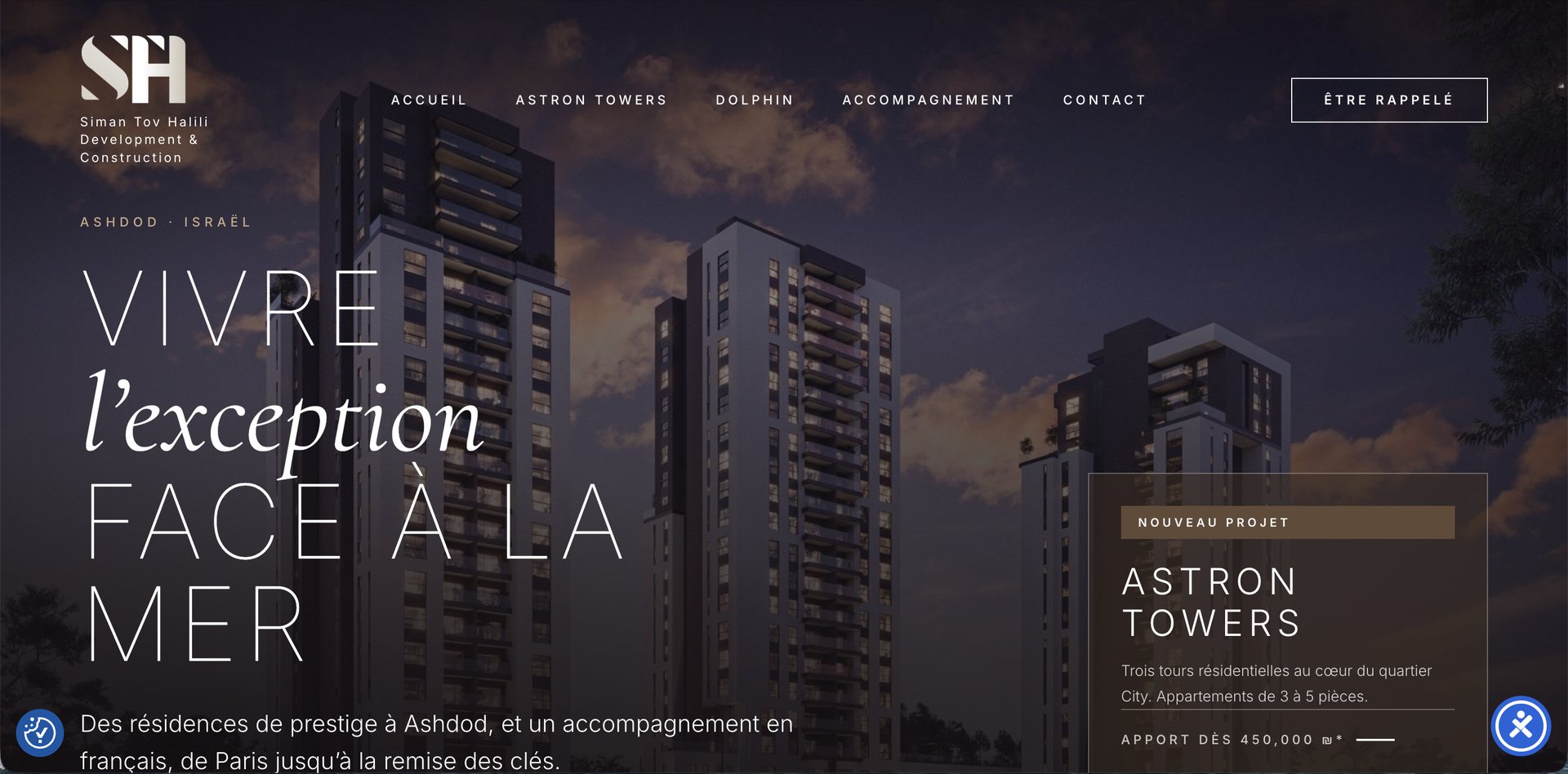
At nodev, this is what we do every day for businesses in Israel and abroad, in English, Hebrew and French: accounting firms such as B-Consulting CPA and Assuline, real estate developers such as Astron Towers and Yuvalim, and e-commerce brands such as GLO Jewelries and Koahatsniout. You can browse our work to see these projects live, or read more about how we design and build websites.
FAQ
How long does it take to build a website in Israel?
Three to six weeks for a business website and six to ten weeks for an online store. The timeline depends mostly on how quickly content, images and feedback are provided, and on the number of languages involved.
Do I need a Hebrew version of my website?
If you want customers in Israel to find you on Google and trust you, yes. Most Israelis search in Hebrew, and a well-written Hebrew page ranks for searches that an English page will never appear in, especially for local services.
Can an Israeli agency build a website for a business abroad?
Absolutely. Most of the work happens remotely through video calls, shared documents and staging links. What matters is that the team works fluently in your language and that your time zones overlap enough for regular check-ins.
Should I choose a freelancer or an agency?
A freelancer can be a good choice for a simple project with a limited budget. An agency or studio offers more continuity, a wider range of skills such as design, development, copywriting and SEO, and less risk if one person becomes unavailable.
Planning a website in Israel? Tell us about your project and receive a clear, fixed-price proposal within 24 hours. Start here.